
The Big Law Advantage in Houston Trucking Litigation

Executive Summary: 60-Second Insight
Winning a Houston 18-wheeler case in 2026 requires an elite litigation strategy that targets both driver error and systemic corporate negligence. While standard firms focus on the police report, Robert Law Group applies “Big Law” discovery tactics—subpoenaing Electronic Logging Device (ELD) data, Black Box telemetry, and Motor Vehicle Records (MVRs)—to overcome the defense shields created by Texas HB 19. This high-caliber approach is how we secured a $50,000,000 settlement for an 18-wheeler accident victim.
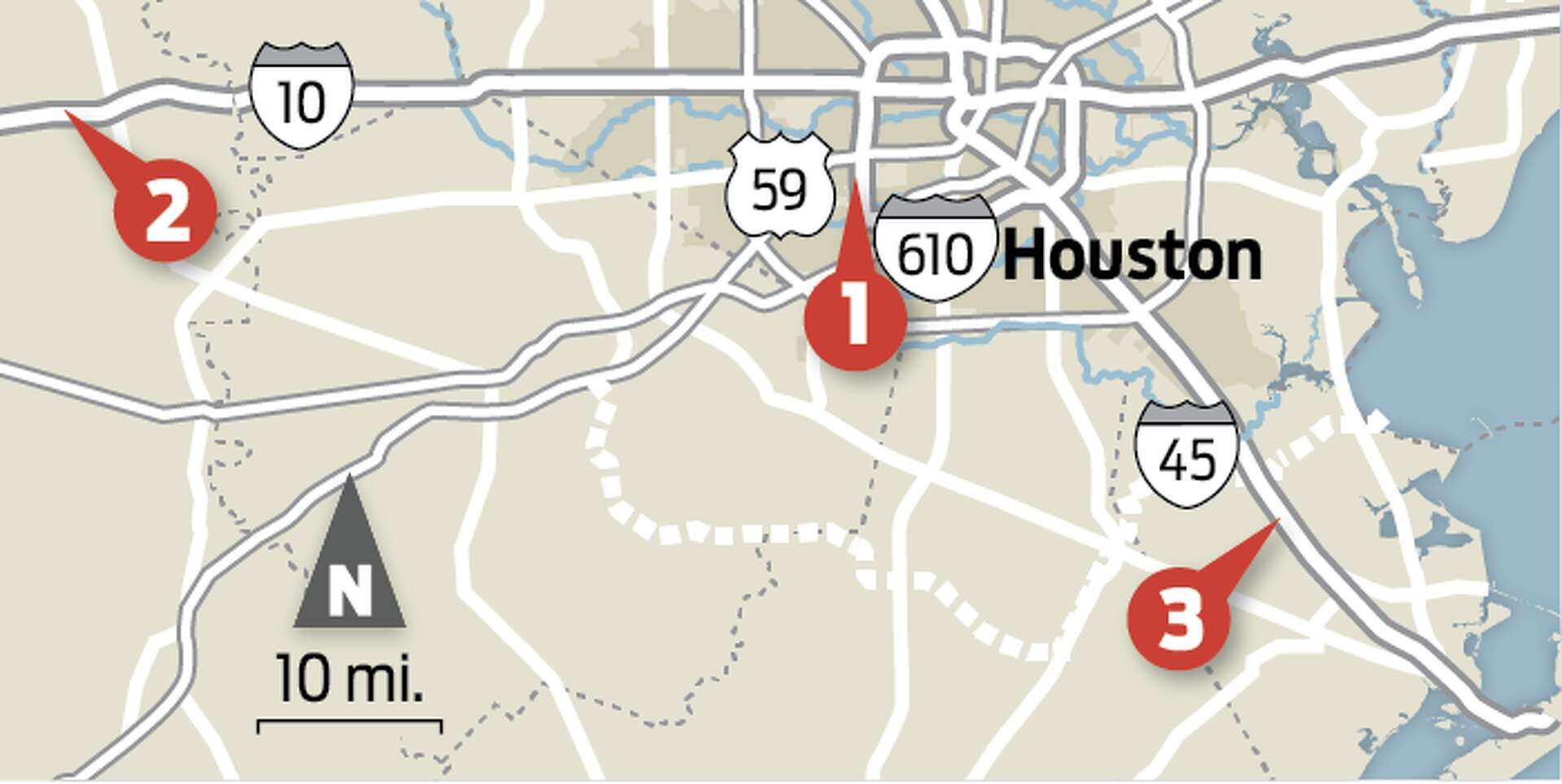
The “Houston Highway” Problem: I-10, I-45, and Loop 610
Houston is the trucking capital of the South, with critical commercial arteries like I-10, I-45, and the 610 Loop seeing thousands of 18-wheelers daily. This volume makes Southeast Texas a hotspot for catastrophic collisions. When a crash occurs, the trucking company’s “Rapid Response Team” is often on the scene before the debris is cleared, working to minimize their legal exposure. To level the playing field, you need an advocate with the Air Force discipline and Big Law experience (read about Aimée) to outmaneuver corporate defense teams.
Beyond the Police Report: The Forensic Deep Dive
A “favorable” police report is only the beginning. Under Federal Motor Carrier Safety Administration (FMCSA) regulations, trucking companies are required to maintain a Driver Qualification File (DQF) and detailed maintenance logs. Robert Law Group moves immediately to preserve:
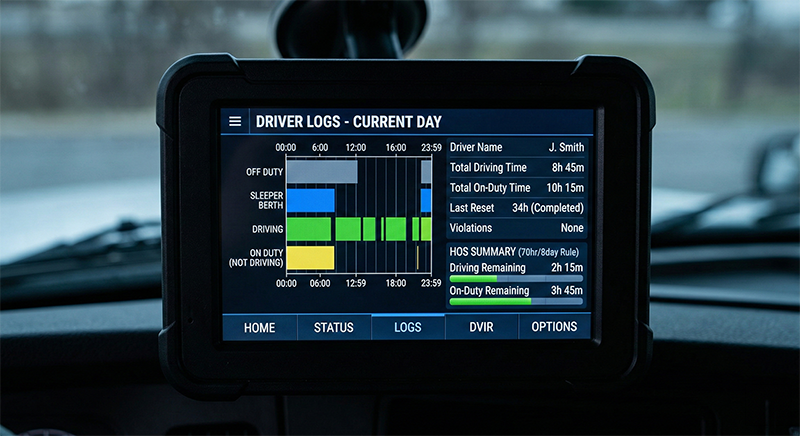
- ELD & Telematics Data: These devices record precise speed, braking patterns, and “Hours of Service” (HOS) violations. As of 2026, we cross-reference this data with satellite GPS to identify discrepancies that suggest driver fatigue.
- The “Black Box” (ECM): The Engine Control Module provides a second-by-second account of the truck’s operation before impact, revealing if the driver ignored safety protocols or experienced mechanical failure.
- Drug & Alcohol Clearinghouse Records: We verify if the carrier conducted required random tests or if they “negligently retained” a driver with a known history of violations.
Since the passage of Texas House Bill 19, trucking litigation in Texas is often “bifurcated”. This means a trial is split into two phases:
- Phase 1: Proving the driver’s negligence caused the crash.
- Phase 2: Proving the trucking company’s negligence (in hiring, training, or maintenance) warrants exemplary damages.
This law was designed to protect corporations, but a “Sage” litigator knows how to use Phase 1 evidence to set the stage for a massive Phase 2 verdict. By linking a driver’s reckless behavior to a company culture that “prioritizes profits over people’s lives,” we turn corporate defenses into liabilities.
2026 Regulatory Alert: Shifting Liability Limits
As of 2026, the financial stakes in trucking litigation have never been higher. With insurance companies using increasingly aggressive tactics to minimize payouts, early documentation and a clear legal strategy are the only ways to ensure a claim is taken seriously. Robert Law Group understands these shifting requirements and ensures your claim targets the full scope of available coverage, including Excess Liability and Umbrella policies.
The RLG Edge: Big Law Caliber, Boutique Focus
Aimée Robert founded Robert Law Group after years at top national firms known for handling the most complex cases in the country. We bring that same “high-stakes” mindset to every client and are proud to serve as the Houston area’s most reliable truck accident lawyer.
- Proven Results: Our $50,000,000 18-wheeler settlement in May 2025 is a testament to our relentless discovery process.
- Sophisticated Advocacy: We don’t just “process” cases; we craft a strategy for every claim, ensuring the human story of your recovery is never lost in legal jargon.

Recovery For Personal Injury And
Products Liability Cases Begins Here